Simulation as the Foundation of UAV Operator Training
31 May 2026
Professional training for Unmanned Aerial Vehicle (UAV) operators is no longer limited to a simple sequence of theory, field practice, and final assessment. Today, the UAV industry requires a far more advanced approach that combines flight safety, mission planning, spatial awareness, emergency response, autopilot logic, and confident manual control. In this system, simulation is not an optional extra — it is the foundation on which professional competence is built.
As drone operations expand into agriculture, aerial surveying, infrastructure inspection, photogrammetry, logistics, public safety, and industrial monitoring, the demands placed on operators are increasing. Schools and training centers must prepare pilots not only to fly, but to make decisions under pressure, manage abnormal situations, and execute missions efficiently. That is why a realistic simulator has become a core element of modern UAV education.
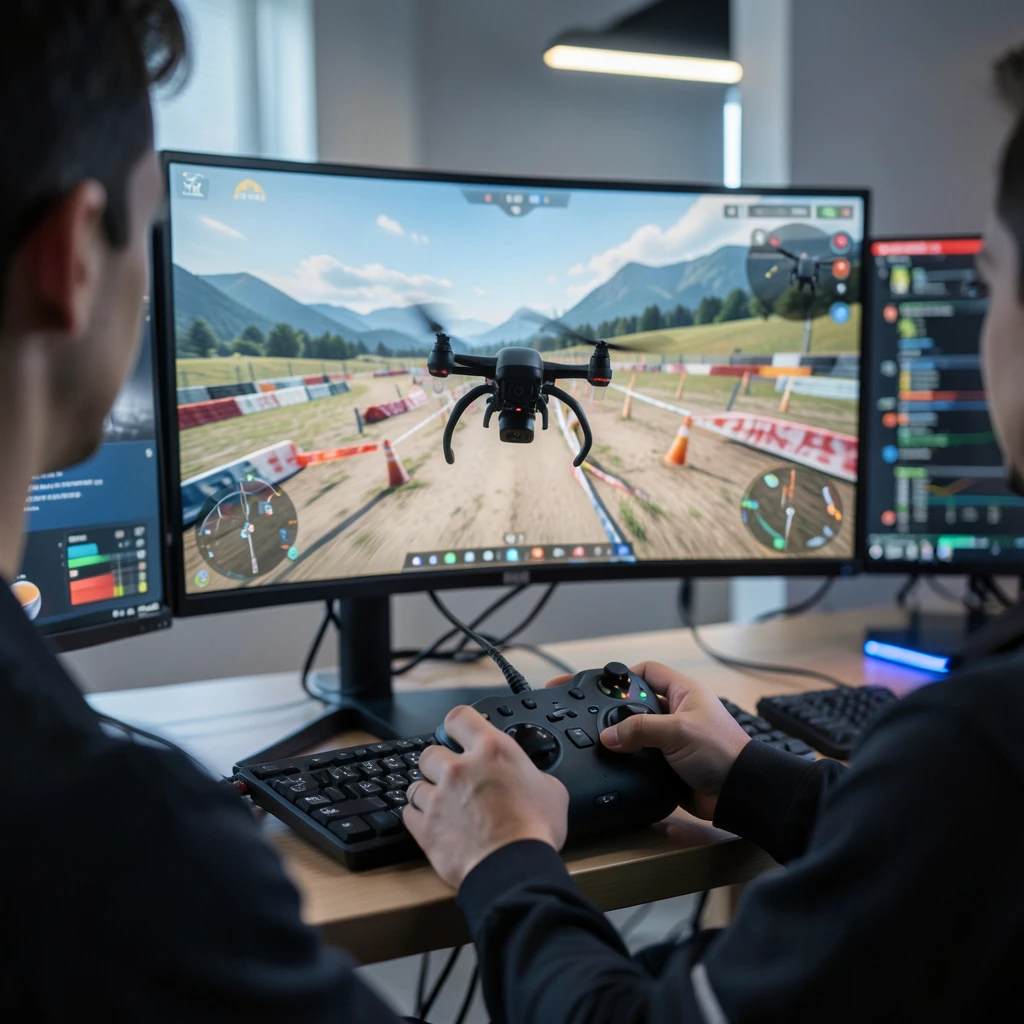
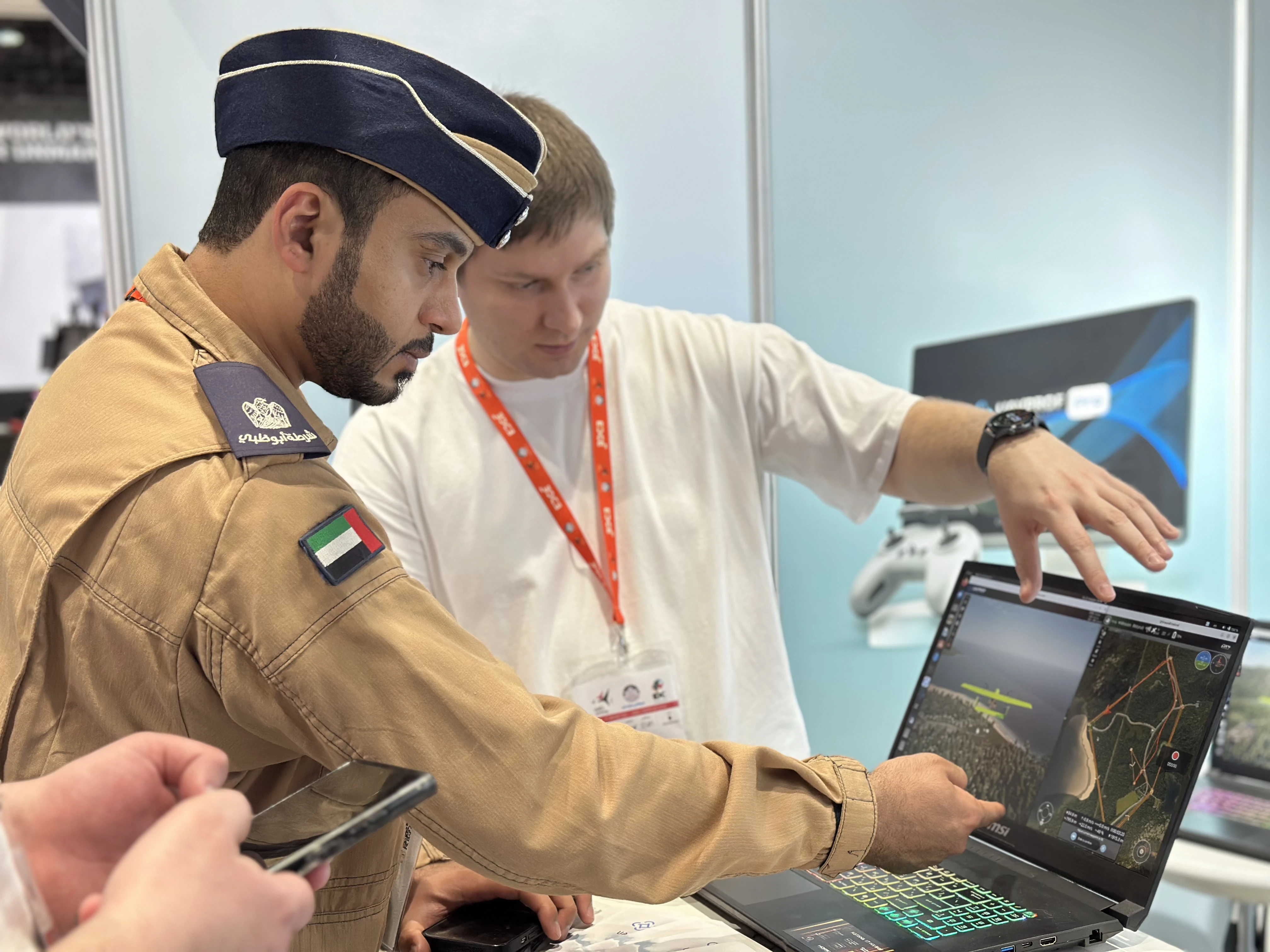
The UAVProf Drone Simulator describes itself as “the most realistic professional UAV simulator for pilot training” and summarizes its approach with a clear principle: “Train like a real pilot without the real-world risks. Master the skies with UAVPROF!” This reflects the key value of simulation-based training: it reduces risk, increases repetition, and turns practice into measurable skill development.
Why Simulation Is the Real Starting Point for UAV Training
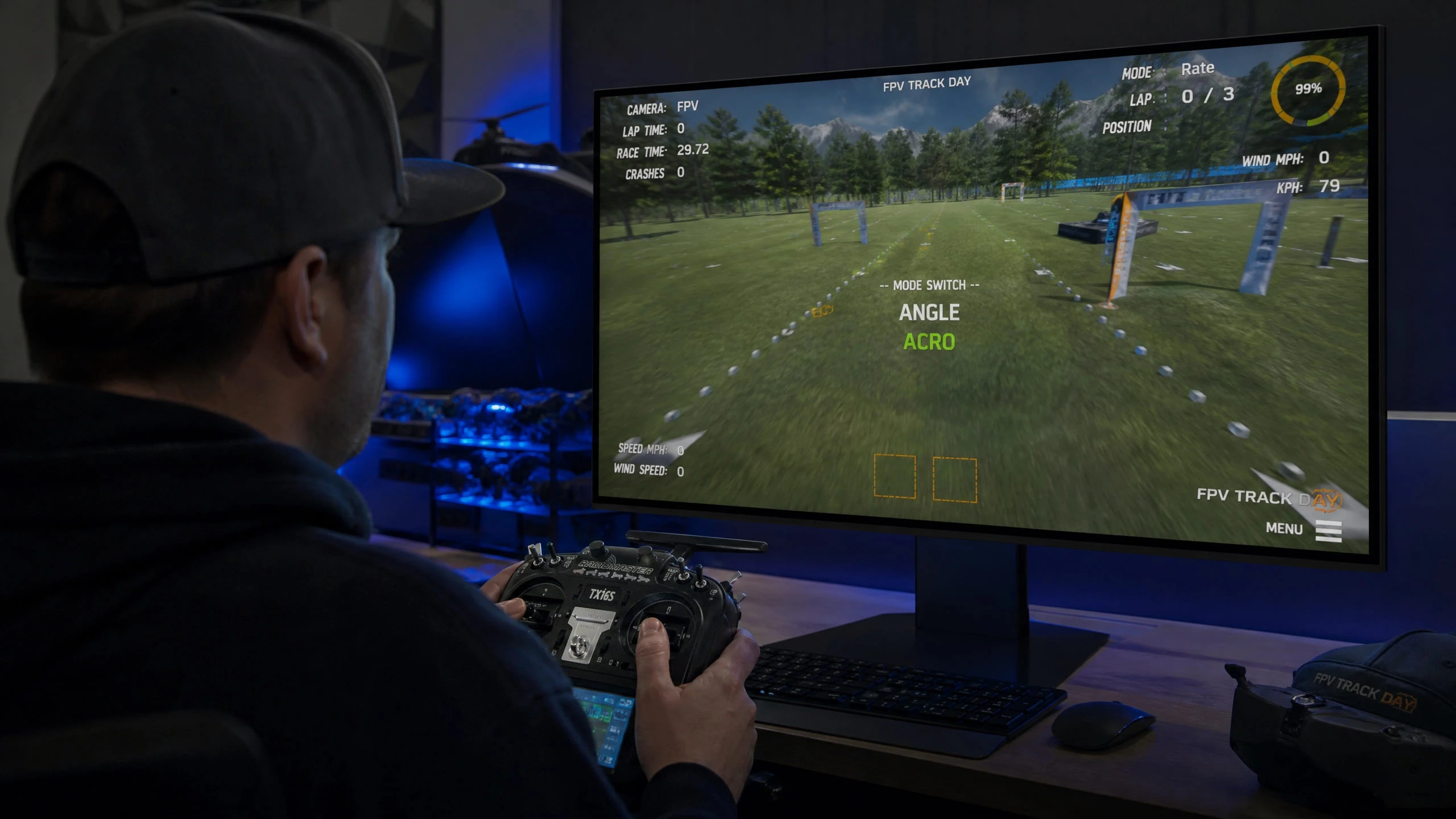
For beginner operators, the first live drone flight is often stressful. Even a minor mistake can lead to damaged propellers, broken landing gear, a lost aircraft, or danger to nearby people and property. In real outdoor training, learning is affected by weather, battery limitations, restricted flight areas, and instructor availability. A simulator removes those limitations and creates a stable environment where the student can focus entirely on learning.
A virtual environment allows the trainee to repeat the same maneuver many times, correct mistakes immediately, and gradually build confidence without fear of costly consequences. This is especially important during the first stages of learning, when the student is still developing hand-eye coordination, throttle discipline, and basic orientation.
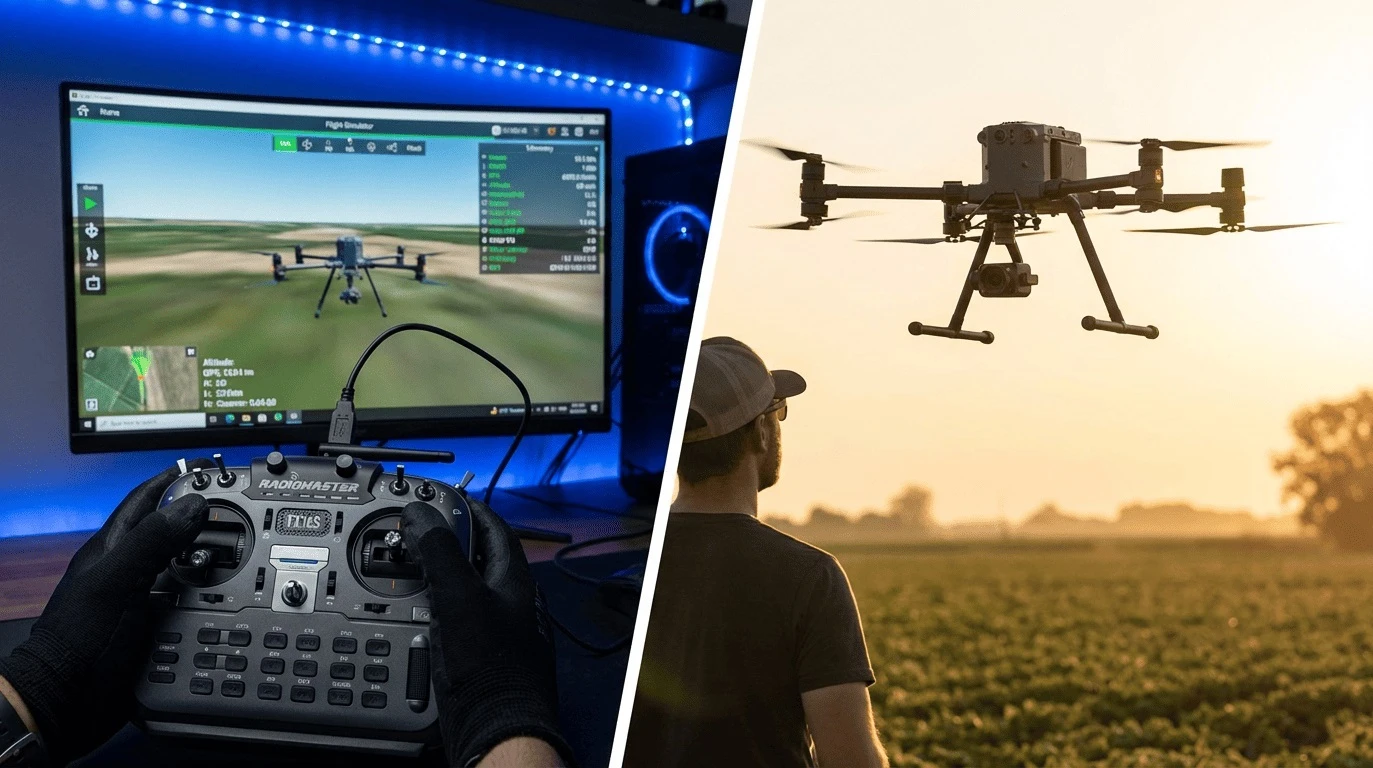
UAVPROF also emphasizes the educational advantages of this approach. In its training materials for beginners, the simulator is presented as a safe environment for building controller automatism, practicing in adverse weather, and developing muscle memory before moving to real aircraft.
Simulation Turns Random Practice into Structured Competence
One of the biggest advantages of simulator-based training is structure. Outdoor sessions are often fragmented: one day there is too much wind, another day the batteries run out too quickly, and on another day the student spends most of the lesson recovering from anxiety after an error. In a simulator, training can be organized as a clear progression of skills.
A well-designed UAV curriculum usually begins with takeoff, hovering, landing, forward and sideways movement, yaw control, and orientation drills. From there, students move on to more advanced tasks such as flying with nose rotation, completing figure-eight patterns, tracking a point of interest, avoiding obstacles, and responding to simulated failures. With the right platform, all of these exercises can be practiced in a consistent and repeatable way.
This consistency is one of the reasons why simulation should be considered the backbone of operator development. It allows instructors to teach not only “how to move the sticks,” but how to perform reliably under a standardized training methodology.
Why Realism Matters in a Professional Drone Simulator
Not every drone simulator is suitable for professional instruction. Entertainment-oriented simulators may improve reaction speed, but they do not necessarily transfer into real-world competence. For training to be effective, the simulator must reproduce flight physics, weather influence, aircraft behavior, and mission logic as accurately as possible.
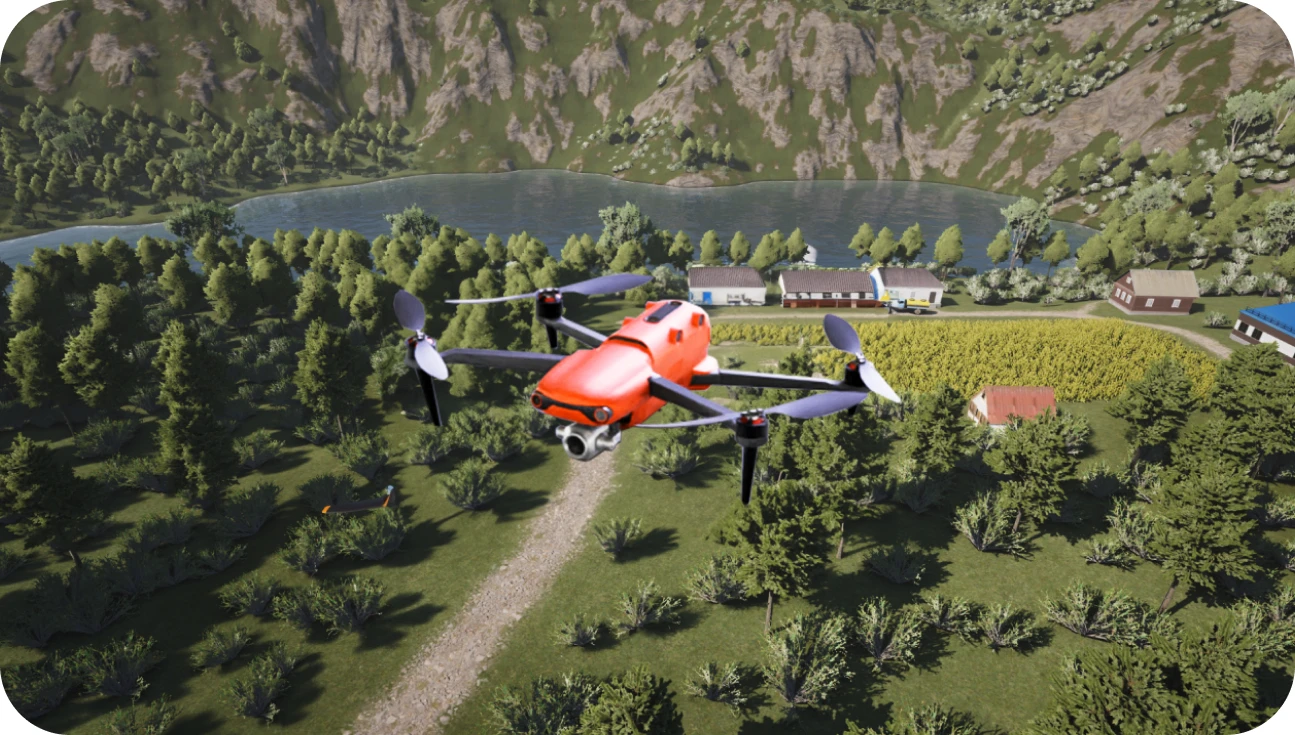
UAVPROF places special emphasis on this realism. According to the platform, “the virtual drone responds to temperature, humidity, wind, rain, and fog. In bad weather, it may drift, and in fog, the pilot’s visibility is reduced just like in the real world!” This level of environmental modeling is essential because real UAV operations rarely happen under perfect conditions.
A trainee who learns only in ideal virtual weather will not be fully prepared for operational reality. A trainee who learns to compensate for drift, maintain situational awareness in reduced visibility, and continue mission planning under changing conditions is much closer to professional readiness.
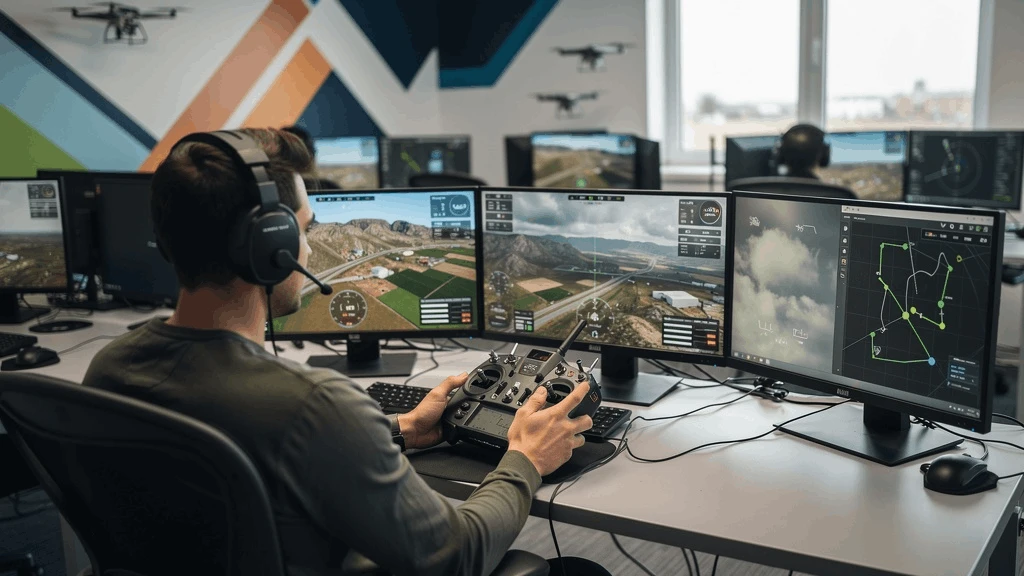
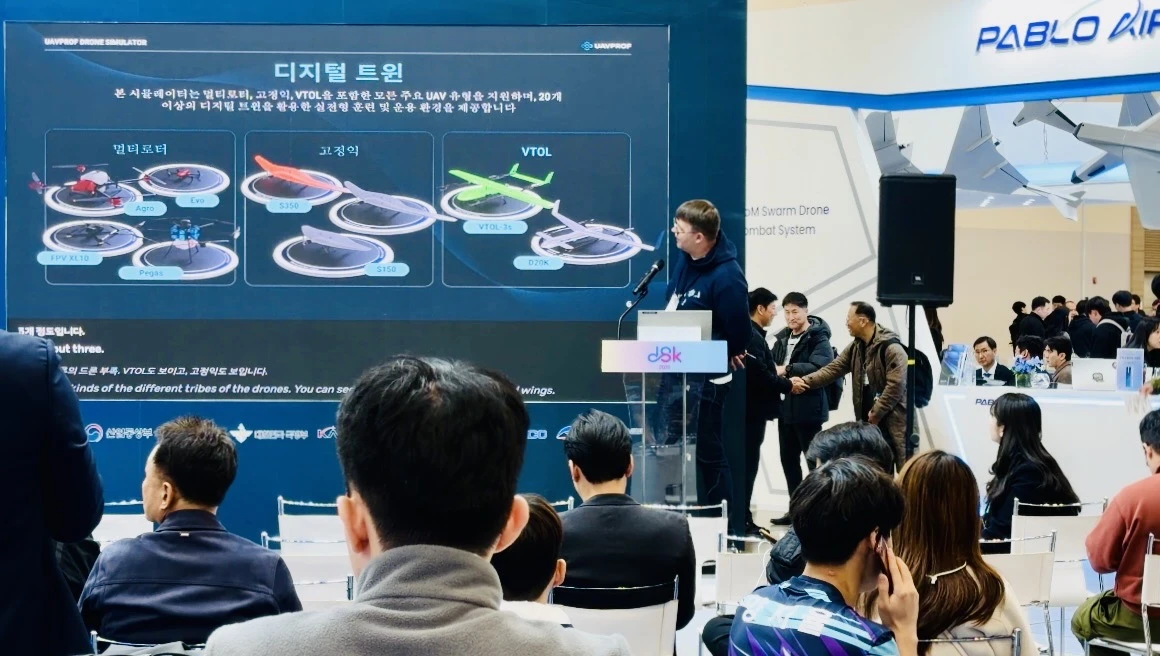
The simulator also supports broader mission-oriented education. UAVPROF presents multiple UAV categories, digital twins, large virtual worlds, and integration with mission planning tools such as QGroundControl. This means the simulator can support not only manual control training, but also autonomous missions, route planning, mapping tasks, and scenario-based preparation for industry use cases.
Expert Validation: Simulation Improves Real Performance
The strongest argument in favor of simulation is not convenience, but measurable effectiveness. Studies increasingly confirm that simulator-based pre-training improves real drone flight performance.
A 2024 study published in Drones reported that simulator-trained participants showed “a 32% reduction in mean final displacement” in real UAV task performance. The authors concluded: “Results indicate a significant improvement in flight performance among participants undergoing simulator training.” This finding is highly relevant for drone schools because it shows that simulation is not only useful for confidence building — it produces better real-world accuracy and control.
A similar logic is seen across broader aviation education. Aviation instructor Aaron Whittle explained the value of realistic simulation in a particularly practical way: “The movements are real. The scenarios are real. So, when something happens out there, they can say, ‘I’ve been here. I’ve seen this. I know what to do.’” Although this statement comes from a wider aviation training context, it is directly applicable to UAV education as well. Repeated realistic exposure creates familiarity, and familiarity supports sound decisions in operational conditions.
UAVPROF also highlights the expertise behind its platform. On the company’s About page, it states: “Behind the flight simulator are experienced UAV and education specialists, whereas the training modules are developed with help from top-class industry experts.” This is important because effective training software must be shaped not only by programmers, but also by operators, instructors, and real mission requirements.
The Simulator Is the Safest Place to Teach Emergencies
A professional UAV operator must know how to respond not only during normal flights, but also when things go wrong. Loss of orientation, wind gusts, signal interruption, difficult landing conditions, and autopilot anomalies are all part of real-life drone operations. However, these situations are dangerous and expensive to reproduce during live training.
This is where the simulator becomes essential. In a virtual environment, the instructor can deliberately recreate emergencies and abnormal scenarios without putting equipment or people at risk. The student can practice recovery procedures again and again until the response becomes automatic.
UAVPROF describes its simulator as a platform for the “safe acquisition of drone control skills” including “emergency situations and difficult weather conditions.” From an educational perspective, this is one of the biggest reasons simulation should stand at the center of any serious drone school curriculum. It allows students to experience complex operational problems before they face them in reality.
Simulation Supports the Entire Professional Training Lifecycle
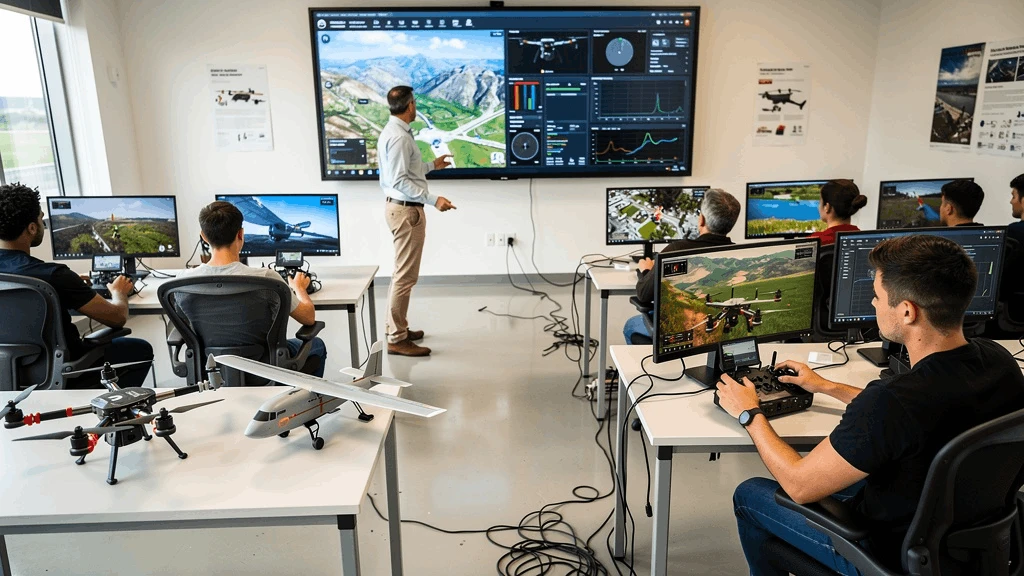
There is a common assumption that simulators are useful mainly for beginners. In reality, their value continues far beyond the first stages of training. Entry-level students use simulation to learn orientation, hovering, and basic control. Intermediate trainees use it to improve precision, route discipline, and obstacle management. Advanced operators use it to rehearse inspection missions, mapping flights, autonomous operations, and emergency decision-making.
UAVPROF’s license structure reflects this broader training philosophy. The platform offers versions designed for basic training, full professional instruction, and autonomous development workflows. This supports the idea that simulation is not merely a first step — it is a long-term training instrument that can be used for skill refreshment, recurrent training, and mission rehearsal throughout an operator’s career.
In this sense, simulation should be viewed the same way as checklists, safety procedures, and mission planning tools: not as an accessory, but as part of the professional infrastructure of UAV education.
Simulation has become the foundation of UAV operator training because it solves the core problems of modern drone education at once: safety, cost, repetition, standardization, realism, and emergency preparedness. It gives students a structured path from first maneuvers to advanced mission execution, while giving instructors a consistent environment for teaching and assessment.
For schools, academies, and enterprise training centers, the message is clear: a simulator is no longer a secondary tool. It is the environment where professional pilot behavior is first formed. The organizations that build their UAV training programs around simulation will produce safer, more confident, and more capable operators.
The UAVProf Drone Simulator fits this model particularly well because it combines realistic flight physics, environmental variability, mission training, and expert-designed educational modules. In today’s UAV ecosystem, simulation is not just preparation for real flight — it is the foundation of it.
Interesting articles
Test-Drive All Flight Modes in 15 Minutes: How a Simulator Accelerates Drone Mastery
Read
Task-Specific Operator Training: Critical Flight Modes for Agriculture, Construction, and Inspection
Read