5 Reasons Why Modern UAV Schools Cannot Operate Without a Simulator
31 May 2026
A modern UAV school is expected to do far more than simply teach a student how to take off, hover, and land. Today’s drone training programs must prepare future operators for real missions, safety procedures, emergency situations, mission planning, equipment checks, and confident work in complex operational environments.
As unmanned aerial systems are now widely used in agriculture, aerial inspection, photogrammetry, logistics, security, construction, and industrial monitoring, training requirements have changed dramatically. A student is no longer just learning to “fly a drone” — they are learning to operate an aviation system responsibly and professionally.
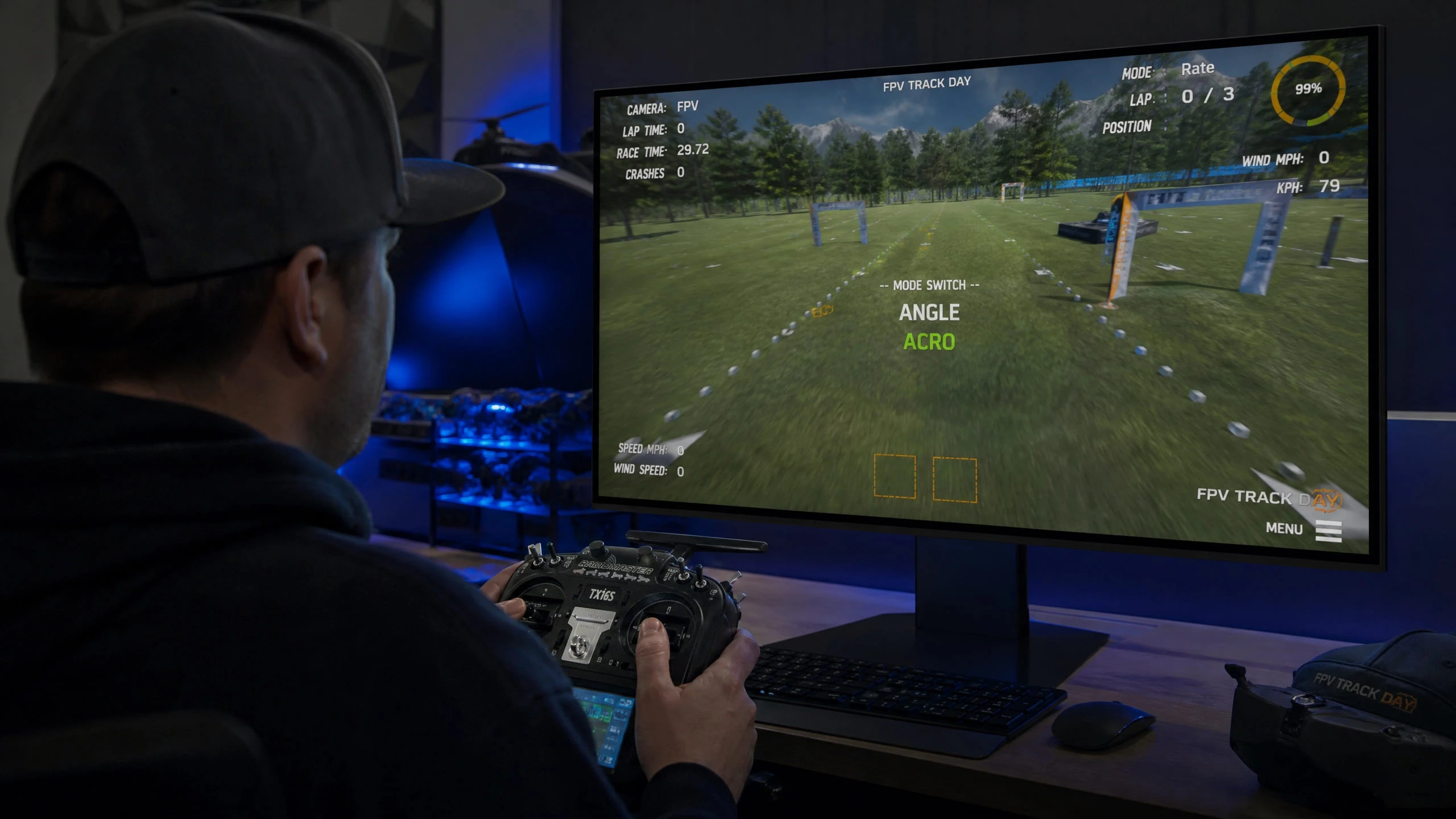
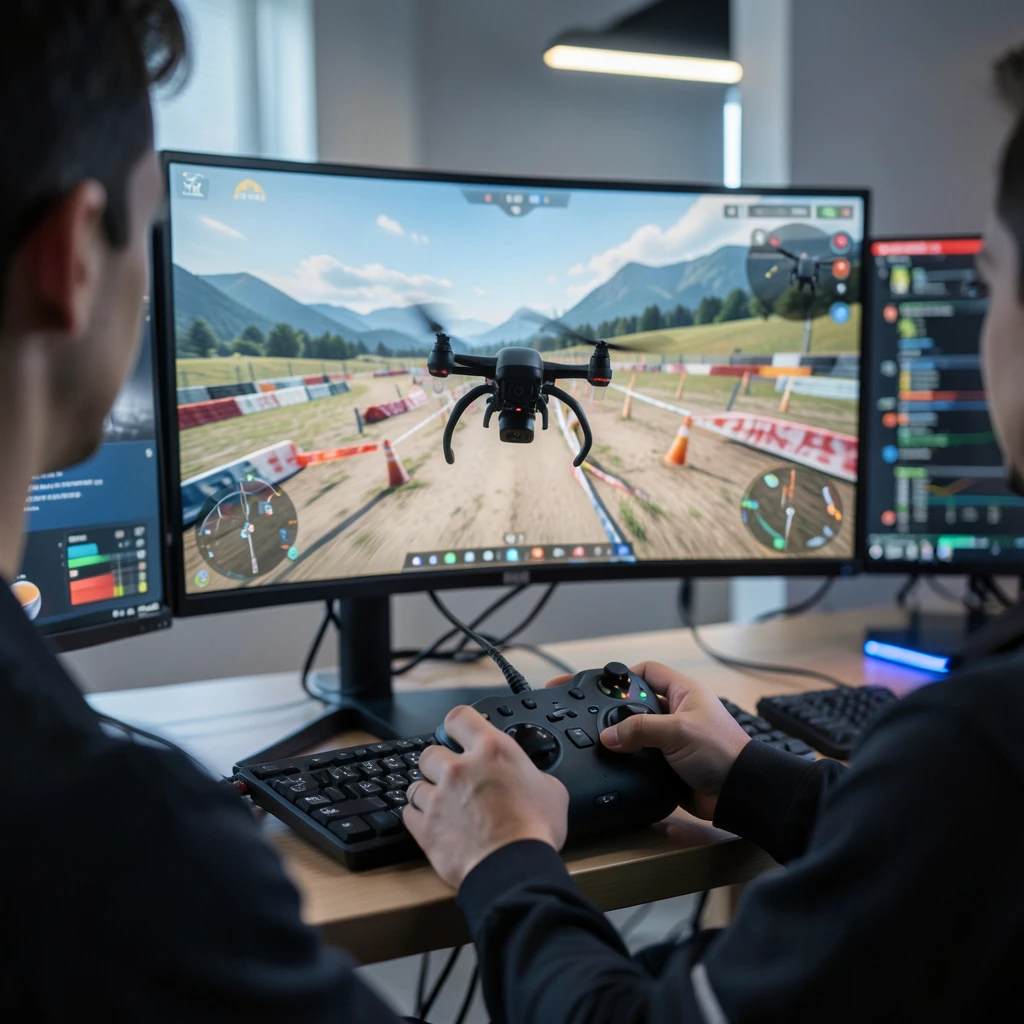
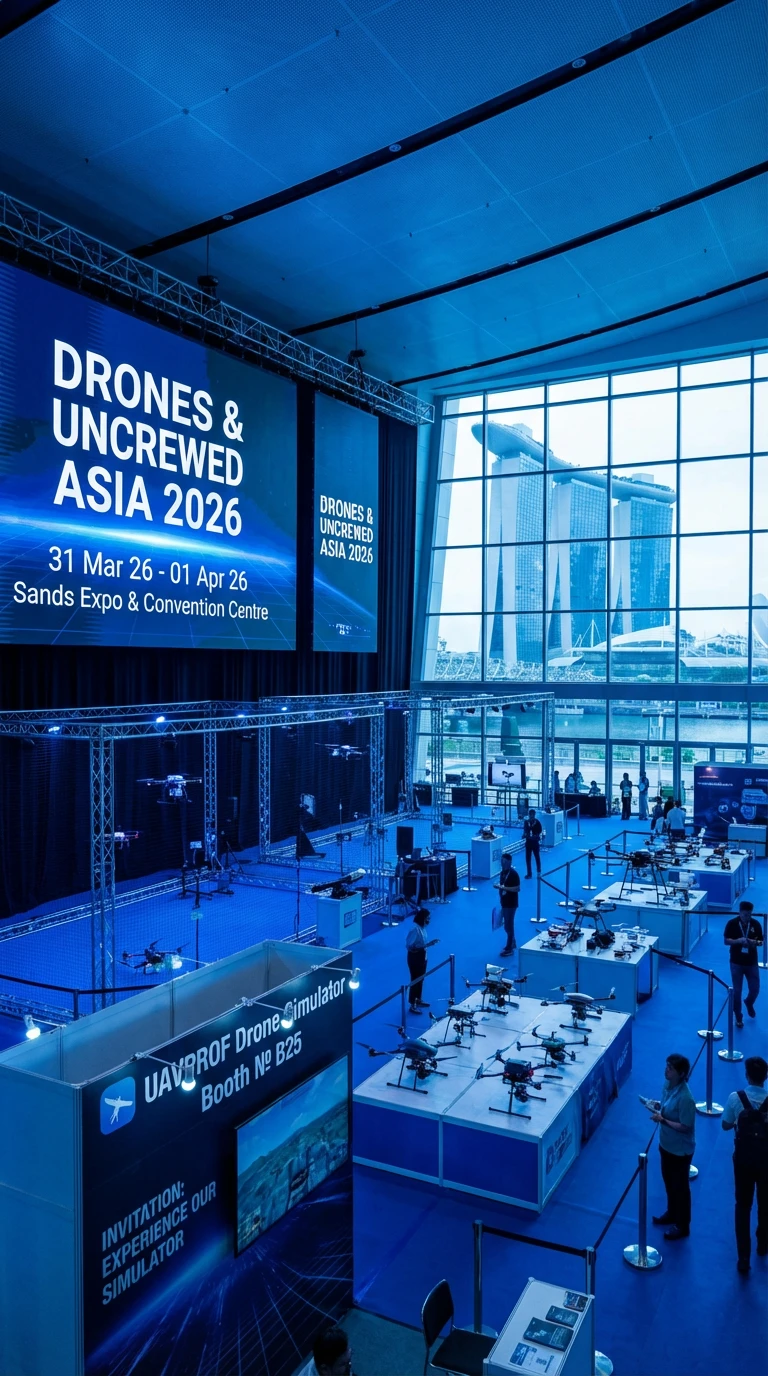
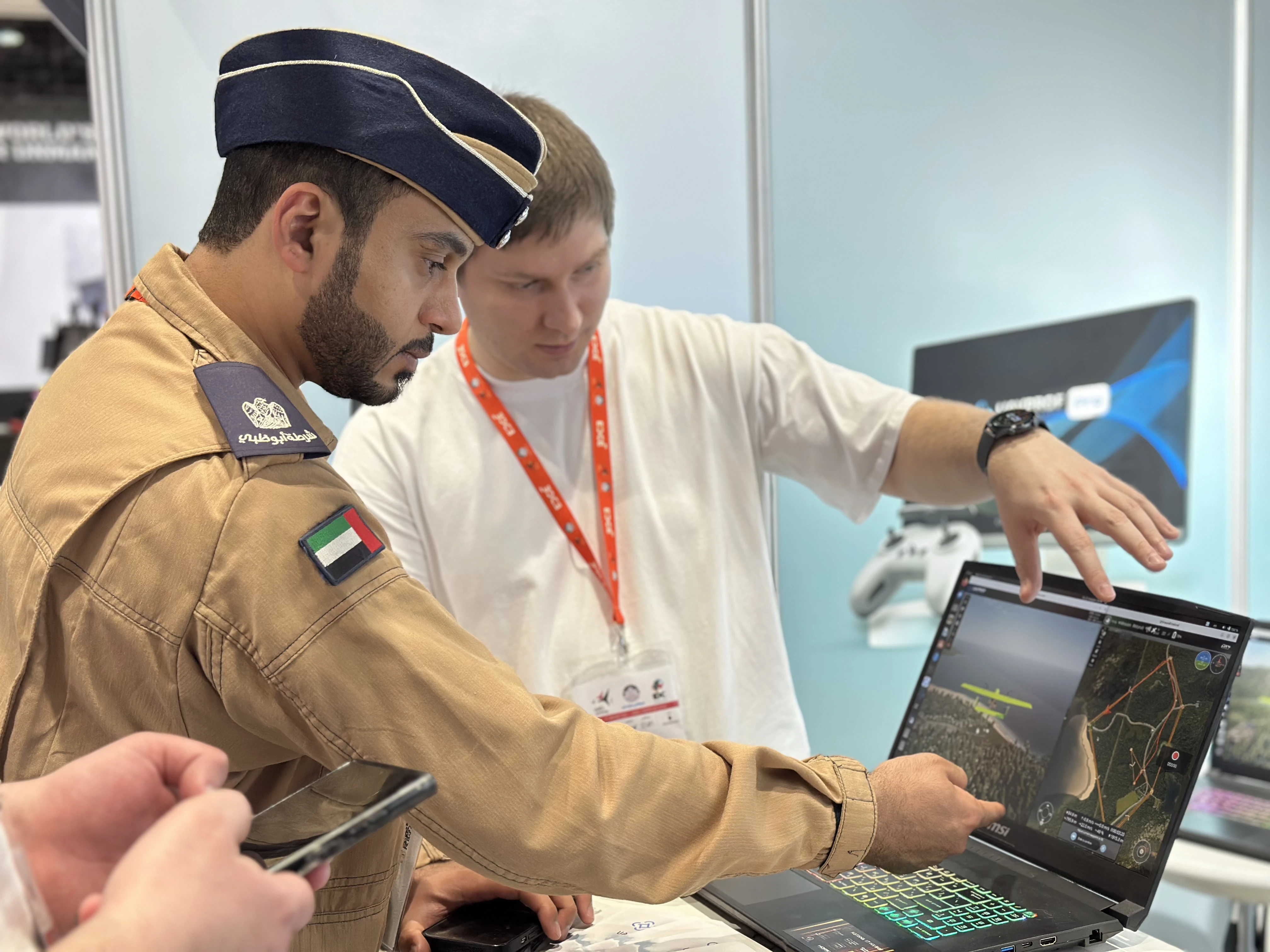
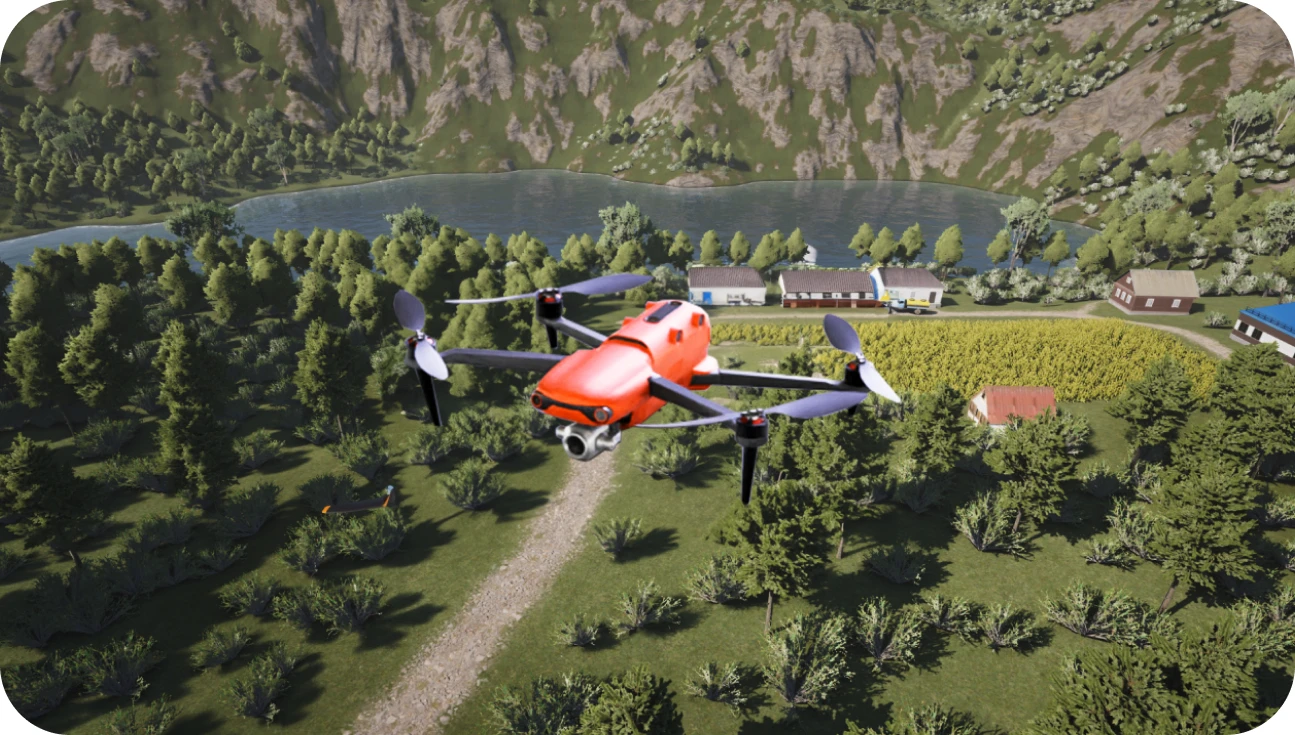
This is exactly why a simulator has become a critical part of modern UAV education. The UAVProf Drone Simulator offers a professional virtual environment where students can train core flight skills, practice mission scenarios, and prepare for real-world operations without risking expensive equipment.
Below are five key reasons why modern drone schools can no longer operate effectively without simulation-based training.
Reason 1. A Simulator Reduces Training Risks and Equipment Losses
The first and most obvious reason is safety. Beginner drone pilots make mistakes — this is a natural part of the learning process. They may overcorrect the controls, lose orientation, land too hard, drift in the wind, or misjudge distance from obstacles.
In live training, every such error carries real consequences: damaged propellers, broken landing gear, cracked frames, damaged payloads, or even complete aircraft loss. In some cases, poor control can also create risks for nearby people or property.
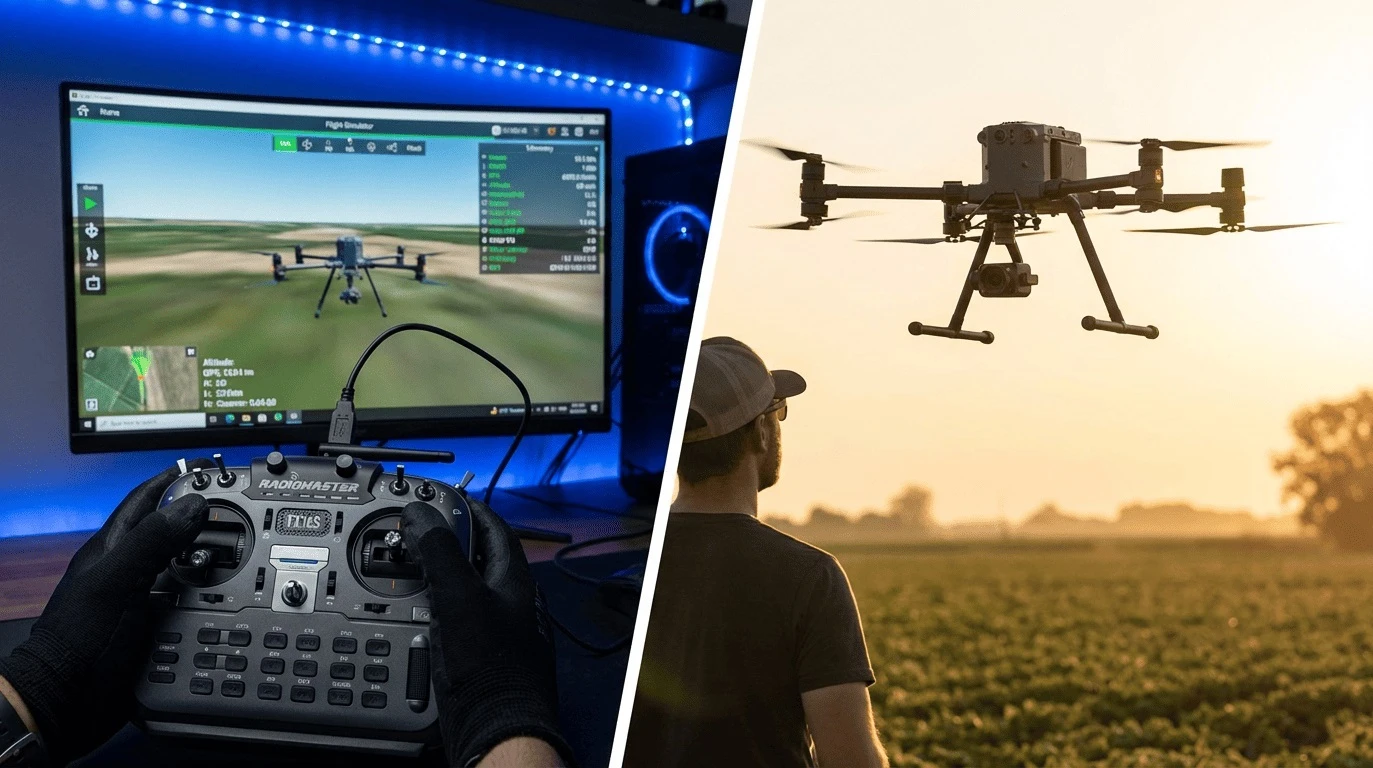
A simulator solves this problem by giving students a safe place to make mistakes. They can crash, reset, repeat the exercise, and continue learning immediately. This allows schools to protect their hardware, reduce repair costs, and maintain a safer overall training environment.
UAVPROF expresses this principle very clearly on its website: “Train like a real pilot without the real-world risks.” For any training organization working with beginners, this is not just a useful benefit — it is a practical necessity.
Reason 2. A Simulator Accelerates Skill Development Through Repetition
Learning to operate a UAV requires much more than understanding theory. Students must develop muscle memory, control precision, spatial awareness, and the ability to react quickly to changes in flight conditions. These skills are built through repetition.
In real-world flights, repetition is limited by battery life, weather, field availability, and equipment wear. A student may only complete a small number of flights during a live session. In a simulator, however, training time is almost unlimited. A maneuver can be repeated dozens of times in a row until the movement becomes natural and automatic.
UAVPROF’s own beginner training materials highlight one of the major benefits of simulation: “Building muscle memory.” This is especially important in early flight training, when students are still learning throttle control, coordinated turning, hovering, and orientation recovery.
Research supports this approach as well. A study published in Drones found that simulator-trained participants demonstrated significantly better real UAV performance, with a 32% improvement in final displacement accuracy. This confirms that simulation is not merely convenient — it directly improves the transfer of skill into real flight.
Reason 3. A Simulator Makes Emergency Training Possible
A good UAV school must prepare students not only for normal flights, but also for abnormal situations. In real operations, operators may face strong winds, poor visibility, communication loss, GPS instability, difficult landing conditions, or sensor malfunctions.
The challenge is that many of these situations are dangerous or too expensive to recreate safely in live field training. Schools cannot reasonably put aircraft, people, and infrastructure at risk simply to demonstrate failure scenarios.
A simulator provides the solution. It allows instructors to create difficult and emergency conditions in a fully controlled environment. Students can practice responses to weather changes, signal interruptions, drift, orientation loss, and other operational problems without any real-world consequences.
UAVPROF specifically emphasizes that its system can be used to train in “emergency situations and difficult weather conditions.” This makes simulation especially valuable not only for beginners, but also for more advanced training programs focused on operational readiness and safety culture.
Reason 4. A Simulator Helps Teach Mission Planning and Industry Workflows
Modern UAV training is no longer only about manual control. In many professional sectors, the drone operator must also understand route planning, mission execution, telemetry monitoring, aerial inspection procedures, mapping workflows, and autonomous flight logic.
For this reason, drone schools need tools that go beyond simple joystick practice. A professional simulator should support realistic scenarios, different UAV types, mission-based exercises, and integration with software used in real operations.
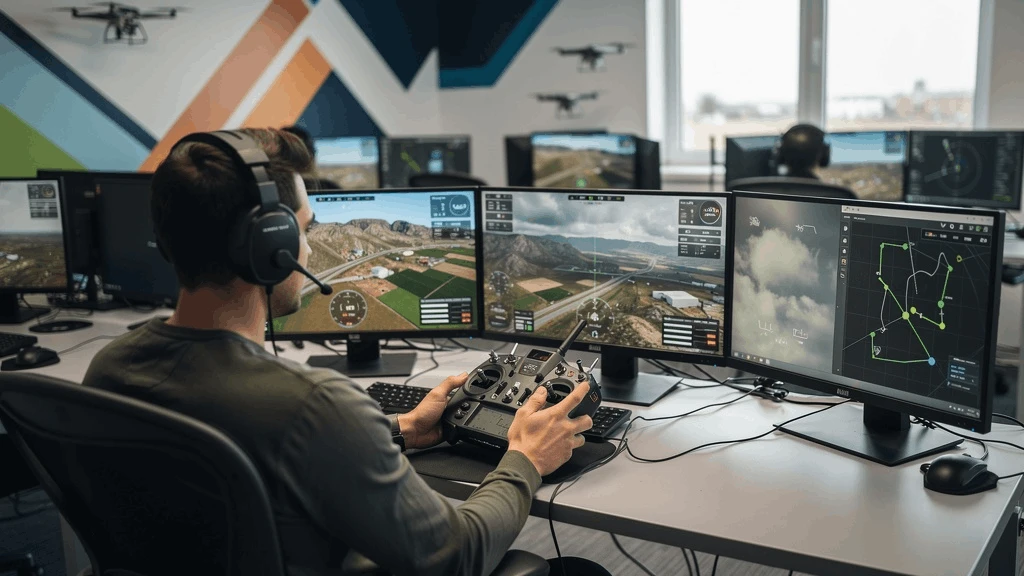
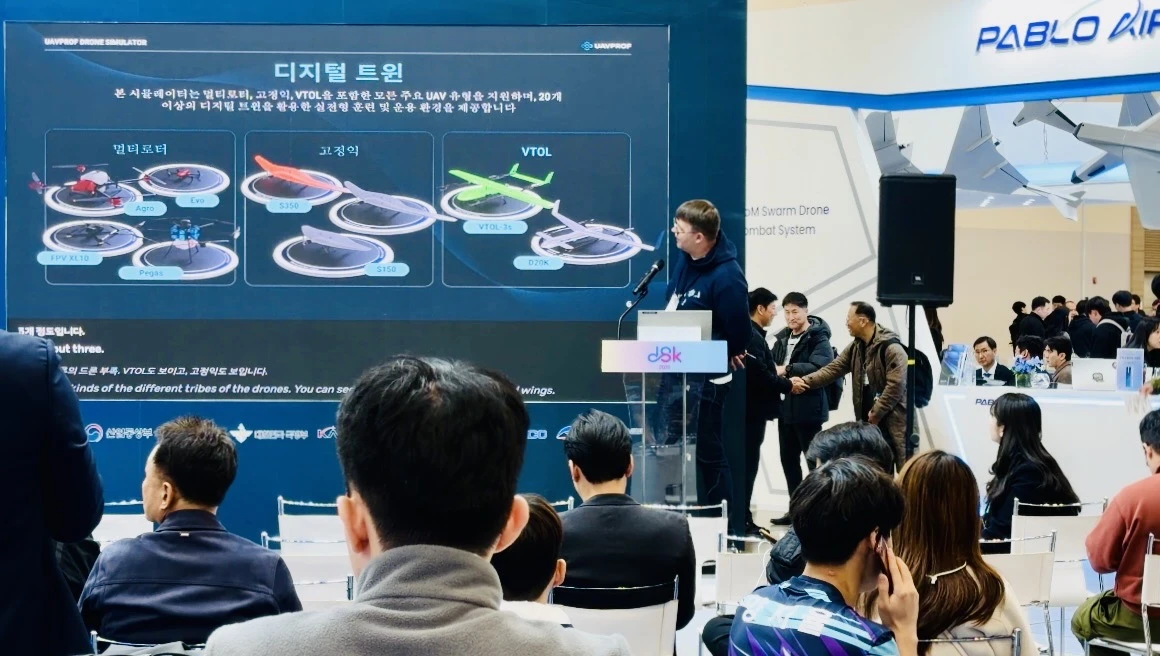
UAVPROF is particularly useful in this context because it includes multiple digital worlds, different categories of UAVs, and integration with mission planning tools such as QGroundControl. This means students can train not only on flight basics, but also on the broader operational processes they will face in actual work.
This is especially important for schools preparing operators for industries such as agriculture, surveying, aerial photography, inspection, and infrastructure monitoring. In those fields, success depends not just on control precision, but on the ability to carry out a mission according to professional standards.
Reason 5. A Simulator Improves Training Quality, Consistency, and Scalability
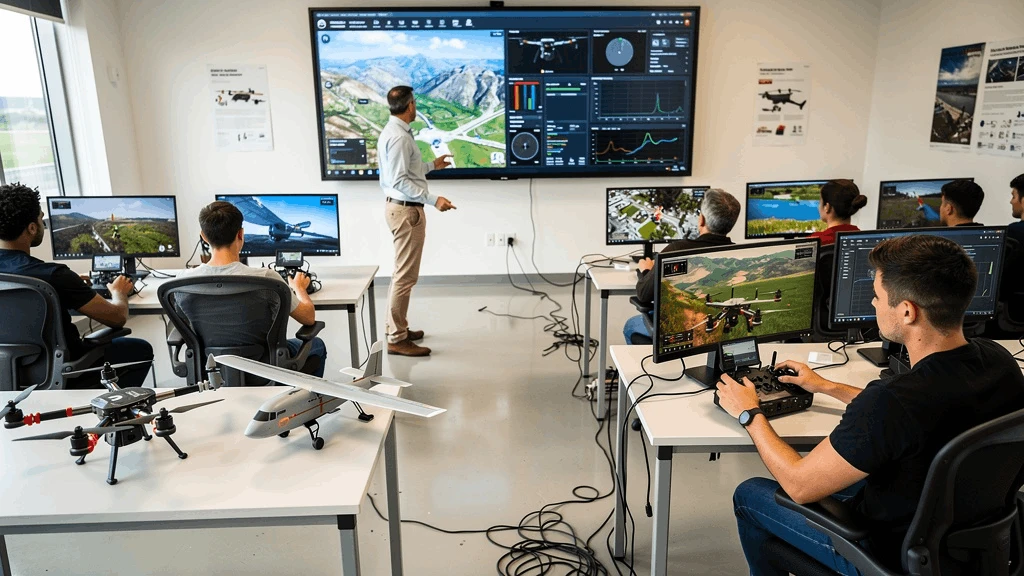
As UAV education grows, schools must train more students while maintaining consistent quality. This is difficult to achieve when all training depends on outdoor flights. Weather delays, different instructor methods, limited equipment, and unequal access to practice time can all reduce the consistency of outcomes.
Simulation makes training more standardized. Every student can complete the same exercises, under the same conditions, with the same evaluation criteria. This helps schools measure progress more objectively and build more reliable training pathways.
A simulator also improves scalability. One group of students may be learning basic manual flight, another may be practicing industrial inspections, and another may be working on autonomous missions. With the right simulator, all these tracks can be supported within one educational ecosystem.
UAVPROF’s license structure reflects this scalability. It offers training-focused, professional, and development-oriented versions, allowing schools to adapt the system to different educational goals. This flexibility makes simulation not only a teaching tool, but also part of the institution’s long-term training infrastructure.
Why Realistic Simulation Matters So Much
Not every simulator can serve as a professional training platform. For real educational value, the simulator must reproduce flight physics, environmental effects, and mission logic closely enough to support real-world skill transfer.
UAVPROF highlights this realism by noting that the virtual drone reacts to “temperature, humidity, wind, rain, and fog.” The website also explains that in poor weather the aircraft may drift, while visibility is reduced “just like in the real world.” This kind of realism is essential because operators must learn how the aircraft behaves under operational pressure, not just under ideal conditions.
In a serious UAV school, realism is what turns simulation from a useful accessory into a professional instructional system.
Modern UAV schools cannot operate efficiently without a simulator because the expectations placed on drone operators are higher than ever before. Training must be safer, faster, more structured, and more closely connected to real missions. A simulator helps solve all of these tasks at once.
It reduces hardware losses, speeds up learning, allows emergency drills, supports mission-based education, and helps schools scale their training programs with greater consistency. In other words, simulation is no longer an optional enhancement — it is a core part of professional UAV education.
The UAVProf Drone Simulator matches this need by combining realistic flight behavior, weather simulation, scenario-based exercises, and tools for mission planning and operator development. For modern drone academies, that makes simulation not just helpful, but indispensable.
Interesting articles
Test-Drive All Flight Modes in 15 Minutes: How a Simulator Accelerates Drone Mastery
Read
Task-Specific Operator Training: Critical Flight Modes for Agriculture, Construction, and Inspection
Read